
What Builders Must Know Before You Specify
Why “wool insulation” isn’t a monolith
Stunning bespoke kitchen done by TAG supplier Willoughby and Fahy
When a client or architect says “use wool insulation,” that’s half the story.
Builders know the real challenge is choosing the right variant for that climate, project, site conditions, and client expectations.
Ecowool is a glass wool insulation range with a “wool feel” name but with technical backing. It comes with a 70-year warranty, features a low-VOC binder (SensiTouch), and complies with AS/NZS 4859.1 under Australian testing regimes.
So let’s go beyond the buzzwords and dig into trade-level insights you can use.
Things to consider before specifying wool insulation
Allergy, dust & site handling – why these matter
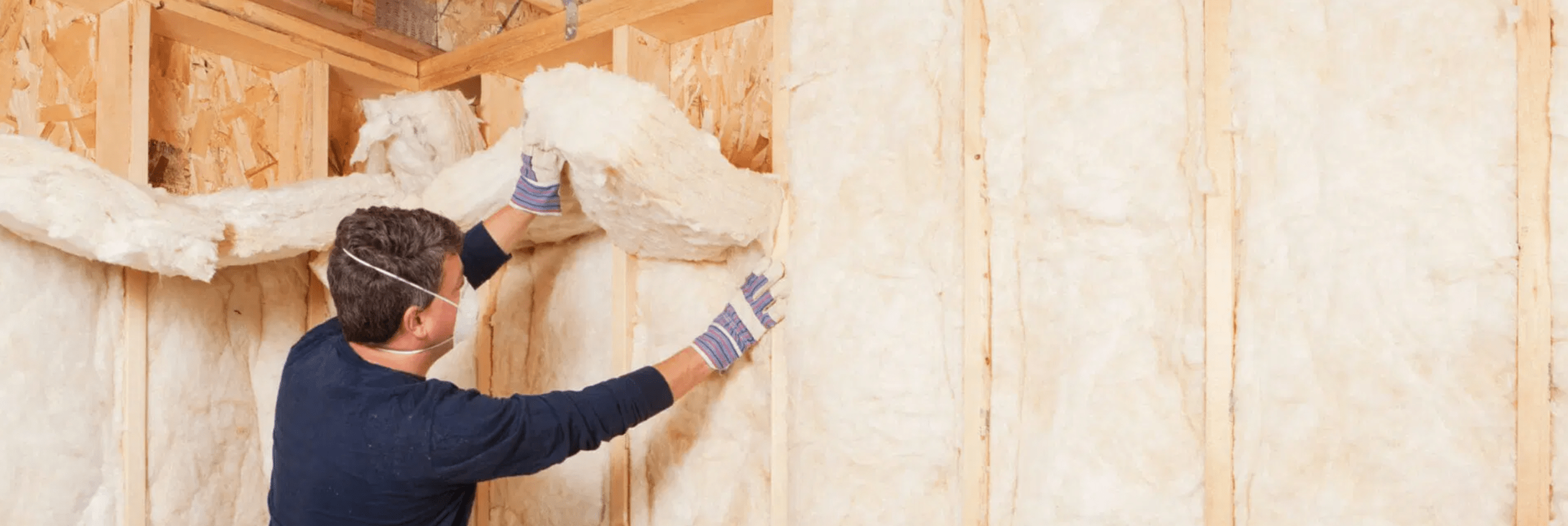
One big complaint from tradies is “itchy” insulation. Clients complain later about dust or fibres in interiors. Ecowool addresses this by incorporating a natural anti-formaldehyde binder and keeping VOC content low so it’s softer to touch and less dusty.
Tip: On site, still use dust masks, cut batts away from occupied spaces, bag off offcuts immediately, and vacuum around internal cavities before wall linings go up. That way any residual fibres don’t get pushed into living spaces.
Thermal performance vs real result
It’s not enough to pick a batt rated “R2.5” or “R4.1” and assume the home will perform. Under Part 3.12.1 of the NCC, insulation must be continuous, without gaps, over laps properly, and not compressed, otherwise the effective R-value drops.
Tip: On walls, cut insulation full width and avoid squashing it behind services or pipes. In ceilings, ensure it abuts and overlaps at edges, and consider ventilation paths so heat flow isn’t compromised.
Also remember that the insulation’s claimed R-value must be certified under AS/NZS 4859.1. Ecowool carries that certification.
Moisture, durability, warranty = long term performance
Wool or wool-feeling insulation must cope with moisture. If it gets damp and stays that way, it can degrade or lose thermal resistance. In wet zones (bathrooms, laundries) or in coastal areas, consider moisture control.
Tip: Always specify a vapor barrier (or membrane) on the warmer side as required, ensure cavity drainage and flashings are well designed, and avoid insulation touching plumbing leaks or water sources.
Also, check warranty fine print. One major advantage of Ecowool is its 70-year product warranty, which gives clients confidence and helps reduce later disputes.
Fire safety & materials classification
In Australian builds, fire safety is non-negotiable. The NCC and various BCA clauses require materials in many parts of the structure to meet non-combustibility or limited combustibility categories.
Ecowool is non-combustible under AS 1530.1 testing, and for Early Fire Hazard Indices (ignitability, spread, heat, smoke) it achieves very low scores (0, 0, 0, 0-1) under AS 1530.3.
Tip: Even when a product is non-combustible, its installation must not compromise fire zones. Do not allow insulation to block fire stops, cavity barriers, or required fire rated linings. Also avoid compressing or aerating the insulation around fire sensitive elements.
Specifying smart – what goes in your tender docs
When you write your spec or quote, include:
- The required R-value for ceiling, wall, and floor by climate zone (matching NCC/BCA minimums).
- Certification requirement: comply with AS/NZS 4859.1 and third-party certification.
- Type (standard, acoustic, high density) and thickness.
- Warranty (70 years in this case).
- Installation constraints: no voids, no compression, adjacency to services, fire barriers, moisture control.
- Performance guarantee clause (e.g. if thermal performance fails, remediation liability).
That way, trade insulation installers know exactly what you demand, and you reduce variation claims.
Acoustic performance – an underused selling point
Clients often grumble about “thin walls” passing sound. Ecowool batts are tested under ASTM C423 for sound absorption (Type A mounting) and act as a baffle to reduce sound transmission.
Eco Wool Insulation
Tip: Where you have internal walls between bedrooms, or walls facing streets, specify acoustic-rated batts or higher density versions. It’s a relatively low cost way to lift perceived quality.
When introducing to clients, framing a room “quietness” or “better sleep” is an easier sell than “R-value justice.”
Supplier spotlight: Ecowool Insulation
Ecowool is an Australian insulation brand that manufactures and distributes glass wool insulation products nationwide. It was established over a decade ago and operates in VIC, NSW, QLD and WA.
Ecowool products are third-party certified to comply with AS/NZS 4859.1 and are designed with a low-VOC binder, making installation safer and cleaner.
Their wall and ceiling batts also meet fire and acoustic performance standards, giving you confidence in specifying a more premium insulation.
You can reach them via their Sunshine North VIC office or nationally via 1300 007 453.
Want insulation that gives you peace of mind, performance, and fewer client callbacks?
Talk to the Ecowool team early on your next project. As a TAG member, you may access special rates and full technical support via the TAG Member Portal.
Let them know you are with TAG, and get your specifications locked in before the frame is up – it’s always easier to design thermal and acoustic performance in than retrofit after the plaster is up.
VIEW MORE ON TAG MEMBER PORTAL
Not yet a TAG member?
Join the fight for better prices and service today!